Hello Everyone! Thank you, ladies of Petticoats and Pistols for letting authors of western romance be guest bloggers. I’ve been scarce making comments this week because my two daughters and their combined four children – all under the age of four – have been at my house since last Saturday. While it’s fun having them- it puts a crimp in my usual daily activities. Such as blogging and writing.
My newest release is a contemporary western set on a cattle ranch in SE Oregon. This book was the easiest to write because I didn’t have to do as much research as I do with a historical. My husband and I raise cattle, so the day-to-day worries and work were easy to write. Our little “hobby ranch” is nothing like the one in my story.
 Perfectly Good Nanny is set in a remote area of sagebrush, rabbit brush, and bunch grass. It is harsh land that requires diligence on the part of the rancher during calving season. It is a part of the country where the cattle had to scrounge to find feed all year round until the invention of irrigation pipes. The hero and heroine are thrown together by a 12-year-old girl, tired of taking care of her 2 year-old brother, and a meddling Klamath Indian neighbor. The two hire a nanny without the father knowing. When the woman shows up knowing everything about his family, Brock Hughes is not the least bit hospitable. But between the nanny and the girl they manage to get him to agree to the one month the neighbor paid for. Sparks fly and two people who’d given up on love learn to love again.
My story depicts the daily lives of remote ranchers. To some extent though they have the newer equipment a lot of the day-to-day chores are the same as a hundred years ago. Before haying and equipment, herds were moved to the higher range in the summer to eat the grass, saving the lower, taller grass in the meadows to feed the cattle during the winter. They also hayed, but would not reap as much feed from their hard work as they can now with the modern equipment.
Grass was cut, usually from a meadow that was watered from a creek or a spring. A hand-held scythe was used to cut the grass. And later on in the 20th century a ground driven sickle was pulled behind a horse to cut the hay. By the late 1800’s they used a dump rake pulled by a horse to “rake” the hay into piles. Those piles were then forked onto wagons or sleds. The hay was then either forked into a barn or loft or a large outside pile. In the winter, this pile was pulled onto low sleds and dragged by a team of horses. These piles were then towed to the pasture where the cattle were wintering and forked off to feed.
 In the 1800’s just feeding the cattle could take half a day or longer if they were scattered among several fields. Of course, if it was a large enough operation, they would have several feeding sleds. Being from a ranching family, I find the historical aspects of ranch living more interesting than the day-to-day lives of people living in the cities in the 1800’s
What is something you have always wondered about? What kind of bathroom facilities people living in apartments in large cities in the 1800’s had? How long did it take to make soap or actually weave enough cloth to make a garment, or even how long did it take to sew by hand a dress or shirt? That is what I find so fascinating about writing historical stories, the research that answers these questions. Why do you write or read historical romance?
Thank you for participating today. Leave your comments and I’ll pick one person to win an autographed copy or their choice of either my current contemporary western “Perfectly Good Nanny” or one of my previously published historical westerns.
Also check out my website www.patyjager.com to enter my November contest and read my reviews.


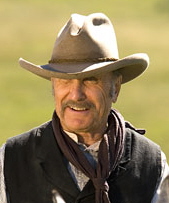
 Yes, those men and their marvelous mustaches.


 Grooming is essential. Sideburns are optional. But I prefer a man with a mustache any old time.