Marriages on the frontier were often made before a girl was half through her adolescent year. According to one young woman mentioned in the “Women’s Diaries of Westward Journey,” “she was married at fifteen . . .those days the young men wondering why a girl was not married if she was still single when she was sixteen. That summer Judge Deady . . . came by . . . we all rode horseback . . . We met occasionally at weddings and other social doings,” and soon they were married.
There’s instance after instance of girls of fifteen or less marrying along the trail and soon finding themselves with child despite the painful lack of privacy for people “to whom the taboos of sex and other bodily functions were completely controlling.” Some women, for instance, could not even mention in their private diaries that they were pregnant. They merely noted the arrival of a baby.
Despite the lack of privacy, there was also a new freedom. Although most girls and women continued to ride sidesaddle and wear dresses, there were opportunities for romance not present in their previous lives. An escape to a wooded river, trips to replenish firewood, close proximity over thousands of miles and through any number of hardships, evenings sitting by fires while young men played a guitar, mouth organ or fiddles all promoted romance.
Once a wedding took place, the other members of a wagon train often held a Chivarie for the couple. One such description, again from the “Women’s Diaries of the Westward Journey”: ” Such a Chivarie as they got that night was enough to awaken the Seven Sleepers. The newly married couple occupied a wagon for sleeping apartments. The first notice that they had of any disturbance was when the most of the men and women in the company took hold of the wagon, the men at the tongue pulling, the women at the back pushing and ran the wagon a half mile out of the prairie. Then the fun began. Such banging of cans, shooting of guns, etc. and every noise conceivable was resorted to. The disturbance was kept up until midnight when the crowd dispersed, leaving the happy couple out on the prairie to rest undisturbed until morning when they came walking into camp amid cheers and congratulations.”
When babies came, as they often did on journeys lasting six to eight months, there was little time to rest or celebrate. The train had to continue on and usually did the same day or the next morning birthing. And, remember, these wagons had no springs.
And the prospect of birth along the trail must have been terrorizing. I imagine these women watched the horizon anxiously in the last days of pregnancy, trying to learn whether the weather would be calm or threatening, if the wagons were near or far from water, and, most important of all, if another woman was at hand.
And often there was not. If a wagon broke down, it was left. Families were separated along the way. One huge family of some ten wagons separated into three different groups along the way. No one could wait on a damaged or overloaded wagon for fear of being caught in the mountains during early winter. Some women were seen walking along the way by themselves, their wagon and man gone through some disaster.
The danger involved in pregnancy during these years on the trail — and the early years on the frontier — is most readily evident by one pioneer daughter. She grew up with four stepmothers in succession, each one dying in childbirth.
And so it was with love and marriage on the trail.


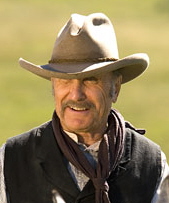
 Yes, those men and their marvelous mustaches.


 Grooming is essential. Sideburns are optional. But I prefer a man with a mustache any old time.